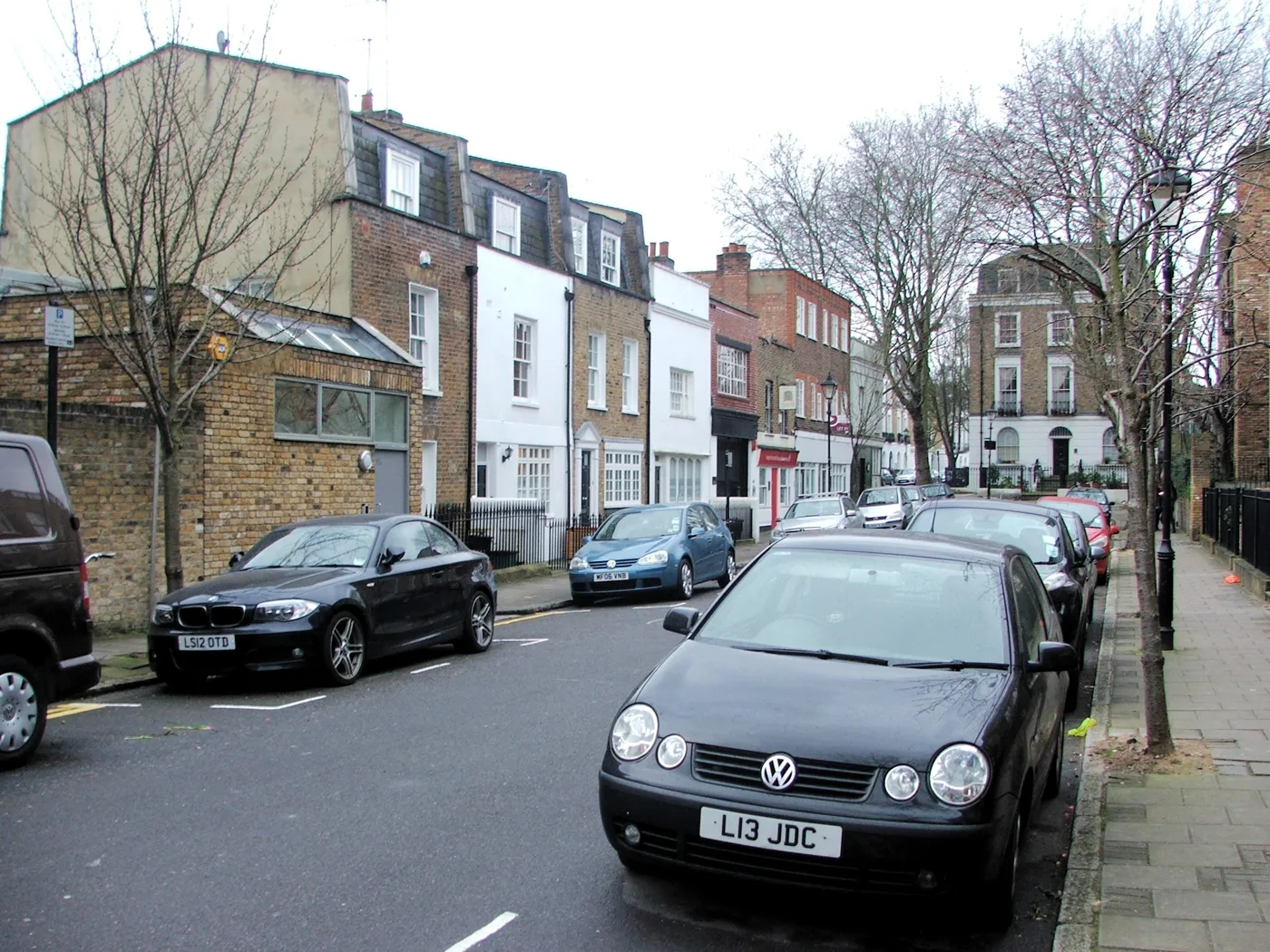

Resident parking permits in Islington would cost about 13.5% more from 1 January 2027, under plans going to the council’s Executive on Thursday 26 November.
The cheapest petrol or hybrid permit, band 1, would go from £168.75 to £191.52 a year. The dearest, band 7, would go from £854.90 to £970.44.
The figures are in the council’s draft schedule of fees and charges for 2027/28 (Islington Council, Appendix A1, General Fund Fees and Charges).
Overview
- What: resident parking permits up by about 13.5%, at every band, for petrol, hybrid, diesel and electric cars.
- When: from 1 January 2027, if the Executive approves it on 26 November.
- Why: the council wants permits to rise by inflation plus 10 percentage points, to cut car use and pollution.
- Where the money goes: the report says the extra income will pay for crossings, pavements, cycle routes and cycle parking.
- Smaller rises: visitor vouchers, pay-by-phone parking and the second-car fee rise by about 3.5%. Motorcycle permits come down.
Why permits are going up faster than everything else
Until now, most council fees in Islington have risen each January by the September rate of CPI inflation. The new report replaces that with a set of uplifts by type of service, from 4.3% to 8.9%.
Parking permits are treated separately. The report proposes raising them by “CPI plus 10 percentage points” (Islington Council, General Fund Fees and Charges Review 2027-28).
It gives two reasons. The first is air quality: the council’s 2026 air quality report names road transport as a key source of local pollution. The second is kerb space, which the council wants to free up by encouraging walking, cycling, public transport and car clubs.
The report says the extra money “will be directly hypothecated” to transport spending. It lists safer crossings, accessible pavements, cycle routes and secure cycle parking. That is subject to the legal rules on how councils may spend parking income.
What a 12-month permit would cost
These are the prices for petrol and hybrid cars registered from 2001, banded by CO2. They come from the council’s draft schedule.
| Band | CO2 (g/km) | Now | From January | Rise |
|---|---|---|---|---|
| 1 | up to 120 | £168.75 | £191.52 | £22.77 |
| 2 | 121 to 140 | £221.55 | £251.40 | £29.85 |
| 3 | 141 to 165 | £274.30 | £311.16 | £36.86 |
| 4 | 166 to 185 | £327.10 | £371.16 | £44.06 |
| 5 | 186 to 225 | £432.65 | £490.44 | £57.79 |
| 6 | 226 to 255 | £643.80 | £730.68 | £86.88 |
| 7 | 256 and above | £854.90 | £970.44 | £115.54 |
Shorter permits rise by the same proportion. A one-month band 1 permit would go from £14.06 to £15.96.
Diesel drivers pay the permit price plus a surcharge. The 12-month surcharge would rise by 4%, from £259.50 to £270. A band 1 diesel would therefore cost £461.52 a year, up from £428.25.
Electric cars rise by the same 13.5% or so. The cheapest electric permit would go from £115.95 to £131.52 a year, and the dearest from £253.35 to £287.40.
What goes up less, and what comes down
Most other parking charges rise by about 3.5%:
- an all-day resident visitor voucher, from £25.80 to £26.70
- a book of ten 3-hour visitor vouchers, from £60.80 to £63
- e-visitor vouchers, from 75p to 80p a half hour
- short-stay parking, from £4.25 to £4.40 an hour on the standard tariff and from £7.30 to £7.55 on the higher one
- the extra fee for a second car at the same address, from £112.70 to £116.64 a year
Motorcycle permits fall. The schedule lists a 12-month resident motorcycle permit at £79.35 now and £71.28 from January. An electric motorcycle permit drops from £44.85 to £35.76.
The garden waste subscription stays at £77.85 for 26 collections.
What it means for you
Nothing changes yet. The Executive meets at 5pm on Thursday 26 November in the Council Chamber at Islington Town Hall on Upper Street (Islington Council, Executive, 26 November 2026).
If the plan is approved, the new prices apply from 1 January 2027. The report does not say how renewals that fall due around that date will be treated. The current permit prices and zone hours stay in force until then.
If you are near the boundary between two bands, the table above shows what a cleaner car saves. A band 3 car and a band 1 car differ by £119.64 a year at the new prices.
Have your say